Cross-Platform Integration of Progressive Jackpots and Loyalty Programs in Slot Gaming Networks
Written by Rafael Simon · Sep 22, 2026
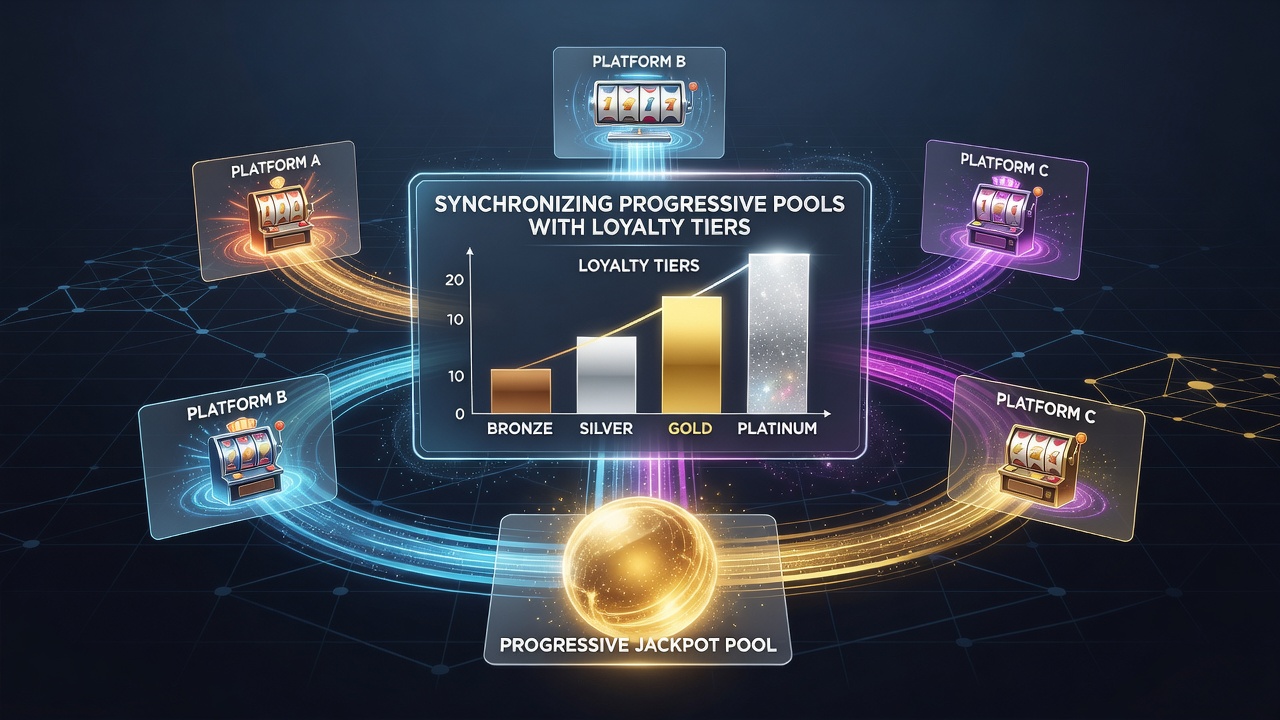
Cross-Platform Integration of Progressive Jackpots and Loyalty Programs in Slot Gaming Networks
Progressive jackpot pools accumulate contributions from wagers placed on connected slot machines, while loyalty tiers assign player benefits based on activity levels tracked across devices and venues. Synchronization between these elements requires shared data protocols that update jackpot values and tier status in real time, regardless of whether play occurs on mobile applications, web platforms, or physical terminals.
Operators achieve this alignment through centralized servers that log every bet contribution to the progressive pool and simultaneously record the same transaction against the player's loyalty profile. When a player advances from one tier to the next, the system recalculates eligibility for pool access or multiplier bonuses without requiring separate logins or account merges.
Data Protocols That Enable Real-Time Updates
Standardized APIs handle the exchange of pool balances and tier points between different software providers. These interfaces transmit encrypted packets containing wager amounts, player identifiers, and timestamp data, which allows the progressive meter to grow while the loyalty engine awards corresponding credits. Research from the Nevada Gaming Control Board shows that networks using unified protocols reduced synchronization delays from several minutes to under two seconds during peak traffic periods in 2025.
September 2026 brought additional reporting requirements from multiple jurisdictions that now mandate daily reconciliation files between progressive and loyalty databases. Systems must demonstrate that every contribution to a shared pool triggers an immediate, auditable update to the player's tier ledger, eliminating discrepancies that previously arose when separate platforms ran independent reward cycles.
Player Journey Across Devices and Venues
A player who begins a session on a mobile application can continue accumulating the same progressive meter when switching to a land-based terminal later the same day. The loyalty tier remains constant because the central server recognizes the account across access points and applies the correct contribution rate. Observers note that this continuity encourages extended play periods, as the visible jackpot total and tier progress both advance without interruption.
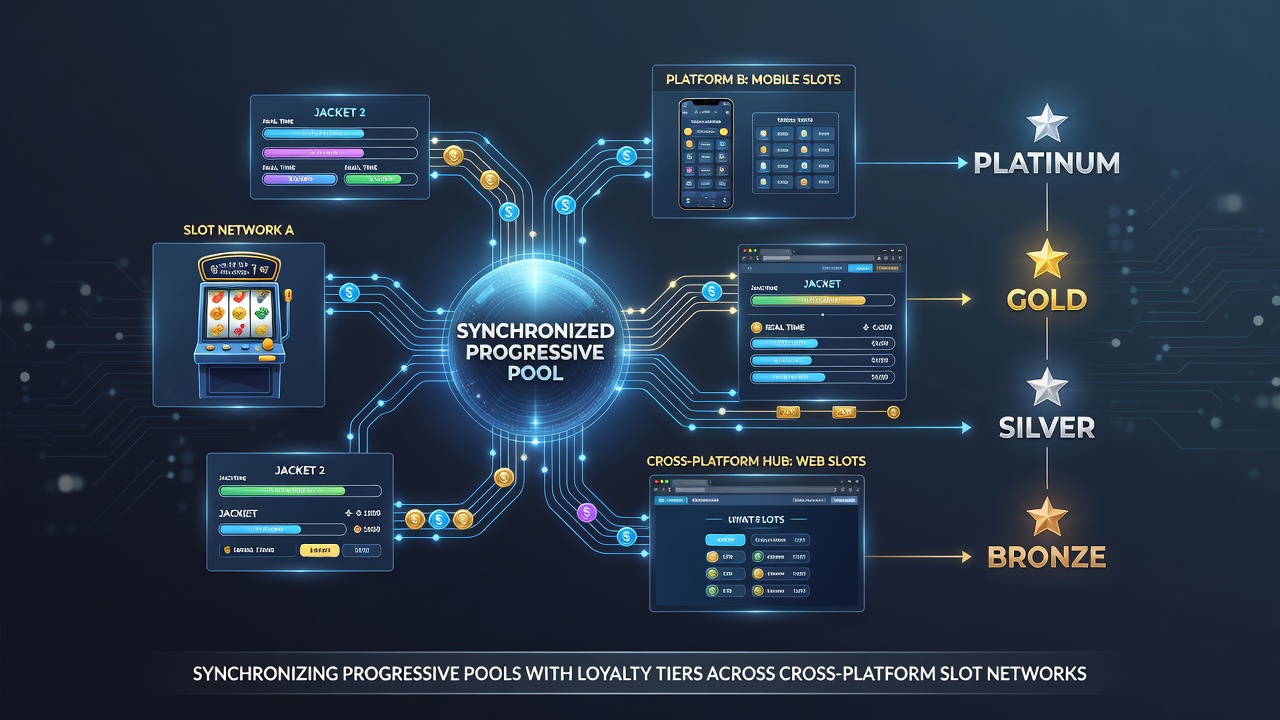
Case examples from multi-state operators illustrate the process. One network linked 4,200 machines across three brands and recorded a 17 percent increase in tier upgrades within the first quarter after synchronization went live. The same study found that average session length rose because players could track both jackpot growth and loyalty milestones on a single dashboard.
Security and Compliance Measures
Encryption standards and access controls protect the combined data streams. Each transaction receives a unique hash that ties the progressive contribution to the loyalty point allocation, creating an immutable record for regulatory review. European regulators, including those aligned with the Australian Gambling Research Centre methodologies, have examined similar frameworks and confirmed that audit trails remain intact when cross-platform transfers occur.
Operators must also manage currency conversion and tax withholding rules that differ by jurisdiction. The synchronized system applies the appropriate formulas at the moment of contribution, ensuring the jackpot pool reflects net amounts after local deductions while loyalty points accrue on the gross wager where permitted.
Conclusion
Networks that maintain synchronized progressive pools and loyalty tiers deliver consistent player experiences across devices while satisfying evolving regulatory demands. Continued development of shared protocols and reconciliation standards supports further expansion of these integrated systems through 2026 and beyond.