Interwoven Mechanics in Mobile Gaming: Assessments, Incentives, and Loyalty Structures
Written by Otto Hoffmann · Oct 6, 2026
Interwoven Mechanics in Mobile Gaming: Assessments, Incentives, and Loyalty Structures
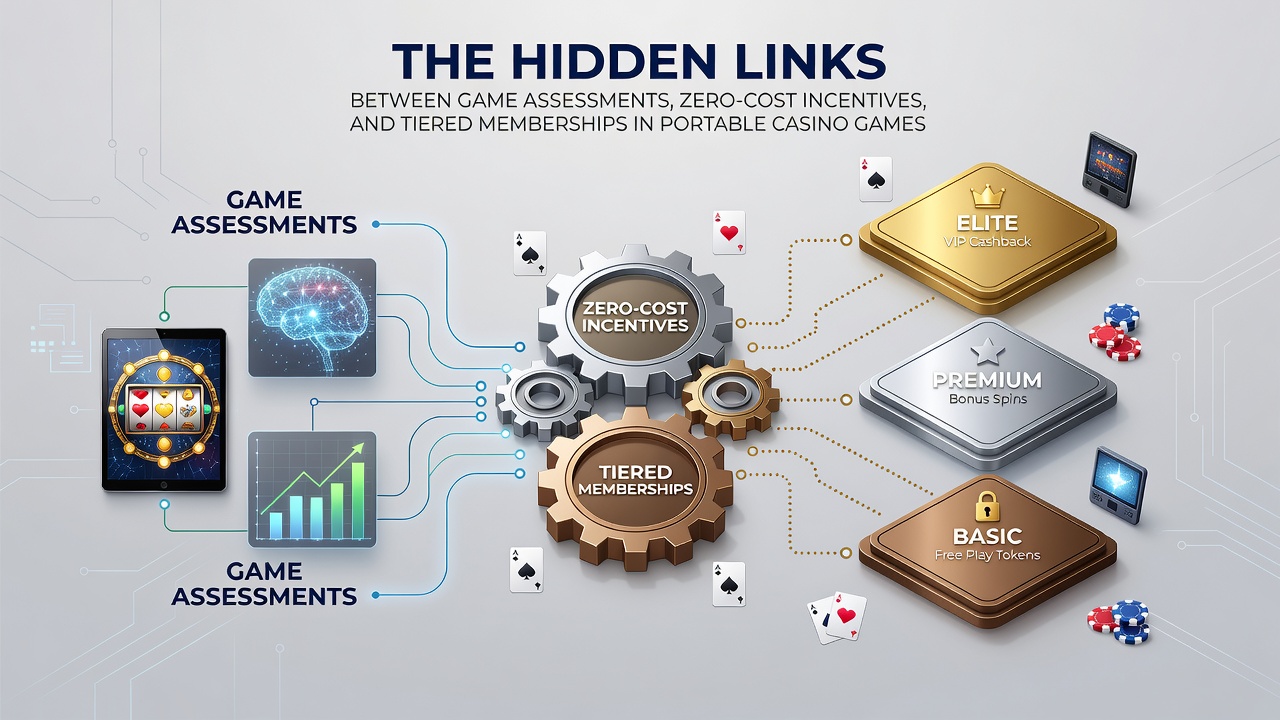
Portable casino games operate through interconnected systems where game assessments determine baseline fairness metrics, zero-cost incentives serve as entry points for player engagement, and tiered memberships create pathways for sustained participation. Data from industry reports indicate these elements function together in mobile environments, with assessments often validating the technical integrity of titles that later integrate free rewards and loyalty escalations.
Game Assessments as Foundational Components
Assessments in portable casino games typically involve evaluations of return-to-player percentages, volatility levels, and random number generator certifications. Regulatory frameworks in regions such as Nevada and parts of Europe require independent testing laboratories to verify these parameters before titles reach mobile platforms. Figures reveal that games passing these checks show consistent performance data across sessions, which operators then reference when structuring incentive programs. Observers note that assessed games frequently appear in promotional rotations because their verified mechanics align with the delivery of zero-cost rewards without immediate discrepancies in outcome distributions.
Zero-Cost Incentives and Initial Player Pathways
Zero-cost incentives encompass no-deposit bonuses, free spins, and trial credits distributed through mobile applications. These offers activate upon account creation or specific milestones, and studies from gaming research institutions demonstrate their role in introducing users to assessed games. In October 2026, platform analytics indicated a rise in incentive redemptions coinciding with new mobile releases, where free rounds directed players toward titles with established assessment records. The process often transitions participants from complimentary play into optional deposits, as incentive structures include wagering requirements that reference the same metrics used in initial game evaluations.
Tiered Memberships and Progression Mechanisms
Tiered memberships organize players into levels based on activity volume, deposit frequency, and engagement duration. Each tier unlocks additional benefits such as personalized incentives, priority access to new games, and accelerated reward multipliers. Research from academic sources on digital entertainment patterns shows that progression through these tiers correlates with prior exposure to zero-cost incentives, since early free play accumulates toward loyalty points. Portable platforms integrate assessment data into tier algorithms, ensuring that higher levels feature games with documented performance stability. One study revealed that players advancing through tiers encounter customized incentive bundles tied directly to verified game parameters.
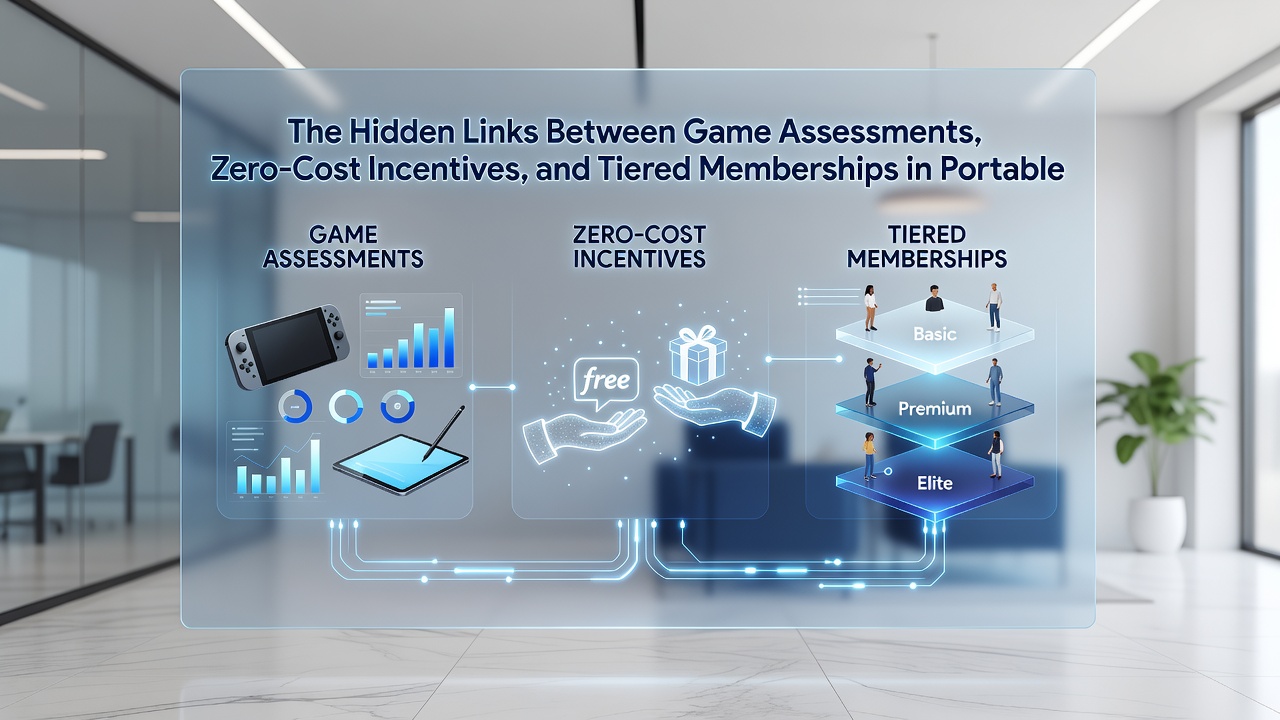
But here's the thing: the connections extend beyond surface-level promotion. Game assessments provide the data backbone that supports incentive reliability claims, while tiered systems convert initial zero-cost interactions into long-term retention metrics. Industry organizations such as the American Gaming Association have documented how these layers operate across global mobile markets, with data showing increased session lengths when assessments, incentives, and memberships align. What's interesting is the way mobile interfaces display these elements simultaneously, presenting assessment summaries alongside incentive eligibility and current tier status in unified dashboards.
Integration Patterns Across Platforms
Portable casino applications often embed assessment results into user interfaces that highlight incentive opportunities at each membership tier. For example, a mid-tier player might receive free spins on games that carry recent certification updates, with the spins contributing toward the next level advancement. Data from university-led analyses of mobile gaming behavior indicate that such integrations reduce drop-off rates between incentive stages and paid participation. External regulatory bodies in Australia and Canada have issued guidelines requiring transparency around these linkages, ensuring that players receive clear information on how assessments influence reward availability and tier benefits.
Turns out the mechanics create feedback loops where successful incentive redemptions feed into membership data, which in turn prioritizes future game assessments for promotional use. Observers note that platforms track these cycles through backend analytics, adjusting incentive values based on tier distribution across user bases. In regions outside the UK, licensing authorities emphasize documentation of these processes to maintain operational standards.
Regional Variations in Implementation
Implementation differs by jurisdiction. North American platforms emphasize tiered rewards tied to assessed jackpot frequencies, whereas European mobile operators focus on incentive transparency linked to certification dates. Reports from research institutions highlight that zero-cost offers serve as onboarding tools in both areas, yet the progression speed through membership tiers varies according to local rules on wagering contributions. Figures from 2026 analyses show mobile users in tiered programs completing more assessed game sessions when incentives carry tier-specific multipliers.
Conclusion
The relationships among game assessments, zero-cost incentives, and tiered memberships in portable casino games form structured operational frameworks. Assessments establish technical parameters, incentives initiate engagement sequences, and memberships sustain activity through graduated rewards. Available data from diverse regulatory and research sources confirm these components interact consistently across mobile platforms, supporting the delivery of verified gaming experiences while guiding player progression.